
Category: Seattle

  • Insights from Research on Aging, and the Allen Institute’s Seattle Connection

    Insights from Research on Aging, and the Allen Institute’s Seattle Connection

    The landscape of aging is constantly changing. Scientific advancements offer new ways to maintain vitality. A sponsored story on KING5.com recently shared insights. It showed how cutting-edge brain research helps us understand aging better. This research also leads to better health outcomes. This ongoing exploration is especially important for Generation X. We are increasingly thinking about how our choices affect our minds over time.


    Unlocking the Brain’s Mysteries

    The article stresses the importance of continuous research. This research helps us solve the mysteries of the aging brain. The KING5.com piece is sponsored. Still, it highlights a key part of healthy aging: actively seeking knowledge. It also points to using scientific discoveries to improve our well-being. Understanding the biology behind cognitive decline is crucial. So is understanding cognitive resilience. This knowledge helps us develop effective prevention and treatment plans. Our generation is often self-reliant and practical. Because of this, the focus on science-backed health initiatives really speaks to us.


    Proactive Aging for Generation X

    For Generation X, “aging gracefully” often means aging effectively. This isn’t just about how we look. It’s about keeping our minds sharp and staying independent. Brain research, as hinted at in the KING5.com article, suggests our future brain health isn’t set in stone. We can influence it by learning new things. We can also change our routines based on scientific findings. The article doesn’t give specific lifestyle tips. But it does remind us how vital research is. It shapes how we approach the second half of our lives. It encourages us to be smart about health information. We should look for trustworthy sources. We should also understand how new science can help us make better decisions for our brain health.

    AARP, BECU, the Allen Institute, the UW Memory and Brain Wellness Center are holding an online event to hear more about brain health on June 5th. The event is free to attend but pre-registration is required at aarp.org/caregiverswa. 

  • What Transportation Services Benefit Midlife Adults in Tacoma?

    What Transportation Services Benefit Midlife Adults in Tacoma?

    Tacoma’s Ride Forward: Mobility Solutions for Midlife and Beyond

    CoGiR at the Narrows and BeyondRide Forge have partnered in Tacoma to enhance resident mobility. This initiative expands upon BeyondRide’s established transportation solutions.

    For those navigating midlife, maintaining independence is vital. This new partnership in Tacoma addresses the need for accessible and reliable transportation, a service BeyondRide already provides.

    As aging brings subtle changes, improved mobility becomes crucial. It ensures access to healthcare, social events, and community activities, enhancing quality of life. This partnership, leveraging BeyondRide’s platform, fosters independence.

    Tacoma values community connections. Therefore, enhanced transportation options are significant. By prioritizing accessibility, this partnership empowers residents to remain active and engaged, utilizing BeyondRide’s reliable services.

  • End of an Era: Two Tacoma Senior Centers Close

    End of an Era: Two Tacoma Senior Centers Close

    Tacoma’s senior services landscape has changed dramatically. The Beacon Activity Center and the Lighthouse Senior Center, two long-standing centers, closed on December 31st and January 31st, respectively.

    This double closure ends an era for many Tacoma seniors. The Beacon Activity Center’s closure was planned, but the Lighthouse Senior Center’s sudden closure a month later shocked the community. The Tacoma Weekly reported that Lighthouse stayed open an extra month to help seniors transition. This extension gave seniors time to adjust and explore Metro Parks Tacoma’s programs.

    Now, Metro Parks Tacoma runs all senior programs in the city. This consolidation is a major shift with both challenges and opportunities.

    If you were a member of either center, what do you think of the transition to Metro Parks Tacoma?

  • Generation X and the Appeal of Pocket Neighborhoods: Aging in Place with Community and Connection

    Generation X and the Appeal of Pocket Neighborhoods: Aging in Place with Community and Connection

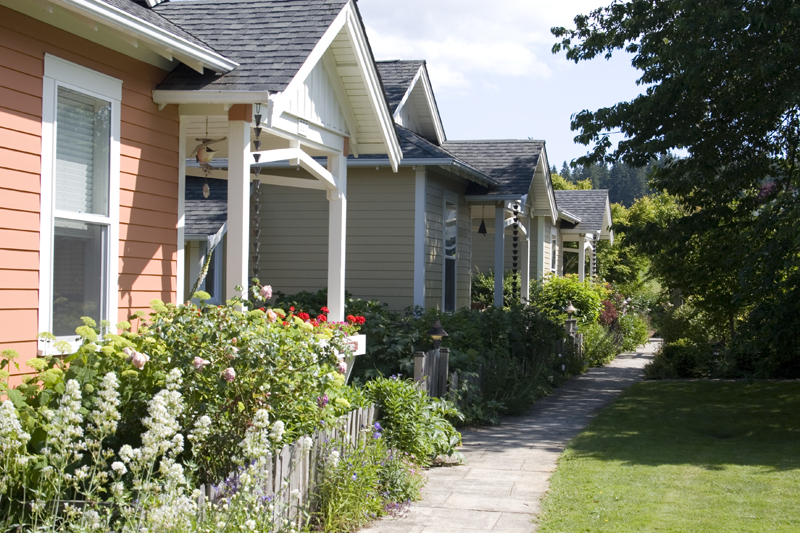
    As Generation X approaches retirement, many are seeking housing options that offer both comfort and community. Pocket neighborhoods, with their focus on human-scale design and social interaction, are emerging as an appealing choice for this demographic. These thoughtfully designed communities, often featuring clusters of smaller homes around shared green spaces, provide an ideal environment for aging in place while fostering a sense of belonging and connection.

    Seattle, a city known for its vibrant culture and stunning natural beauty, is also home to a growing number of unique and charming “pocket neighborhoods.” These small-scale communities, often clustered around a shared courtyard or green space, offer a refreshing alternative to traditional housing developments. One of the leading architects behind this movement is Ross Chapin, whose firm has designed several notable pocket neighborhoods in the Seattle area.

    Chapin’s architectural philosophy centers around creating spaces that foster social interaction and a sense of belonging while respecting individual privacy. His designs often feature small, clustered homes arranged around a shared courtyard or common green space, encouraging residents to connect with their neighbors and build a strong sense of community .  

    Here are a few examples of Chapin’s pocket neighborhoods in the Seattle area:

    Third Street Cottages – photo from Ross Chapin
    • Third Street Cottages, Langley, Washington: Located on Whidbey Island, just north of Seattle, this was Chapin’s first pocket neighborhood. It comprises eight cottage homes on four standard single-family lots with detached parking and a shared garden . This project helped demonstrate the viability of pocket neighborhoods and sparked interest in this type of housing.  
    • Danielson Grove, Kirkland, Washington: This community features small, well-designed homes with private gardens and a shared common green . It showcases Chapin’s ability to create intimate and livable spaces that promote both community and privacy.  
    • Greenwood Avenue Cottages, Shoreline, Washington: This project also features small homes with private gardens and a shared common green . It exemplifies Chapin’s focus on creating pedestrian-friendly environments that encourage interaction among residents.  
    • Umatilla Hill Neighborhood, Port Townsend, Washington: This neighborhood covers 2½ blocks and features a mix of garden-courtyard cottages, and small- and medium-sized houses . It demonstrates how pocket neighborhood principles can be applied to a larger scale while maintaining a sense of community.  

    These are just a few examples of Ross Chapin’s work in the Seattle area. His firm has been involved in numerous other projects, including custom residential designs and larger mixed-use developments. Chapin’s influence on Seattle’s urban landscape is undeniable, and his pocket neighborhoods offer a compelling vision for community living in the 21st century.

    If you’re interested in learning more about Ross Chapin’s work and pocket neighborhoods in Seattle, be sure to visit his firm’s website and explore the resources available on pocket-neighborhoods.net. You can also find articles and blog posts about his work online, including a piece on Paul Dorpat’s Seattle Now & Then blog 1 .  

    1. Seattle Now & Then: The Chapin Block

    pauldorpat.com/2011/11/26/seattle-now-then-the