
Category: Ageism in the Workplace

Gen X is facing the reality of ageism in the workplace, but we’re not taking it lying down. This section explores the challenges of age discrimination, strategies for combating bias, and resources for advocating for age equality in the workplace. #Ageism #GenX #Discrimination #AgeEquality

  • The Graying Tsunami Navigating the Executive Challenges of an Aging America

    The Graying Tsunami Navigating the Executive Challenges of an Aging America

    The demographic shifts in the United States are no longer a distant forecast; they are the reality we are living. As the baby boomer generation continues its march into retirement, the demand for elder care services is surging, creating a complex web of challenges for individuals, families, and the healthcare industry. A recent discussion among industry executives, highlighted in “Executive Insights on Aging Care,” sheds light on the multifaceted issues arising from this “graying tsunami.”

    The executives emphasized the escalating demand for elder care, a trend that is only set to intensify. Projections indicate a significant increase in the 65-and-older population in the coming years, straining existing care systems. This surge isn’t just about numbers; it’s about the increasing complexity of care needs and the emotional and financial toll it takes on families. Unlike childcare, elder care is often less predictable, with needs that can change rapidly and extend over longer periods.

    One of the critical challenges identified is the workforce shortage in the care sector. The need for home health and personal care aides is projected to grow dramatically, yet attracting and retaining qualified professionals remains a significant hurdle. This scarcity of caregivers places immense pressure on families, many of whom are already juggling work and their own family responsibilities. The article points out the increasing number of younger men providing unpaid elder care, a potential factor in shifting living arrangements.

    For Generation X, sandwiched between the baby boomers and millennials, these trends have particular resonance. Many in this cohort are now facing the dual responsibilities of caring for aging parents while still managing their own careers and, in some cases, raising children. The unpredictability and long-term nature of elder care can disrupt career trajectories, impact financial stability, and contribute to significant stress and burnout. This generation, often characterized by its independence and self-reliance, may find itself unexpectedly navigating the complexities of a care system not adequately prepared for the demographic shift.

    The discussion also touched upon the role of technology in addressing these challenges. While innovation offers potential solutions for remote monitoring, telehealth, and improved care coordination, the executives cautioned against a purely tech-driven approach. They stressed the importance of maintaining a human-centered approach to care, ensuring that technology serves to enhance, not replace, the crucial personal connection between caregivers and those they support.

    Addressing the elder care crisis requires a multi-pronged approach. It necessitates increased investment in training and recruiting care professionals, exploring innovative models of care delivery, and providing greater support for family caregivers. For Generation X, proactive planning for their own aging and advocating for better elder care policies for their parents will be crucial in navigating the years ahead. The “graying tsunami” is here, and it demands our attention, our innovation, and our compassion.


  • Woman’s Message About Being ‘Forgotten About Again’ Resonates Deeply

    Woman’s Message About Being ‘Forgotten About Again’ Resonates Deeply

    The digital echo chamber lit up recently with a message that struck a nerve, a raw articulation of a feeling many of us in Generation X are starting to recognize with a disconcerting familiarity. A woman’s post, detailed in a recent Newsweek article, lamented the feeling of being “forgotten about again,” a sentiment that quickly went viral. It speaks to a growing unease as we navigate midlife and the shifting sands of societal attention.

    For a generation that once defined cool, set trends, and felt very much at the center of the cultural conversation, this sense of fading into the background can be jarring. We remember a time when our music, our movies, our very way of looking at the world held sway. Now, the spotlight has shifted, as it inevitably does. But the feeling described isn’t just about a natural changing of the guard; it’s about something more profound – a sense of being actively overlooked.

    The article touches on the societal biases that contribute to this feeling, particularly for women as they age. But it’s a sentiment that likely resonates across the spectrum of our generation. We are the sandwich generation, often juggling the demands of raising children and caring for aging parents, all while navigating our own careers and personal evolution. To feel invisible in the midst of this multifaceted experience adds another layer of complexity.

    Are we truly being “forgotten”? Perhaps not entirely. Our contributions are still significant, our experiences vast, and our perspectives valuable. But the feeling articulated in the Newsweek piece serves as a potent reminder of the importance of staying engaged, of continuing to make our voices heard, and of challenging the societal tendency to sideline those who are no longer in the perceived “prime” of youth.

    This isn’t about clinging to the past or demanding center stage. It’s about recognizing the inherent worth and ongoing relevance of every stage of life. As Generation X, we have a unique perspective shaped by our experiences, and that perspective deserves to be acknowledged. This viral message is a wake-up call to ensure that we, and those who come after us in the aging process, are not simply relegated to the background noise of a youth-obsessed culture.

  • Stanford’s New Map of Life: A Guide to Longevity for Gen X and Beyond

    Stanford’s New Map of Life: A Guide to Longevity for Gen X and Beyond

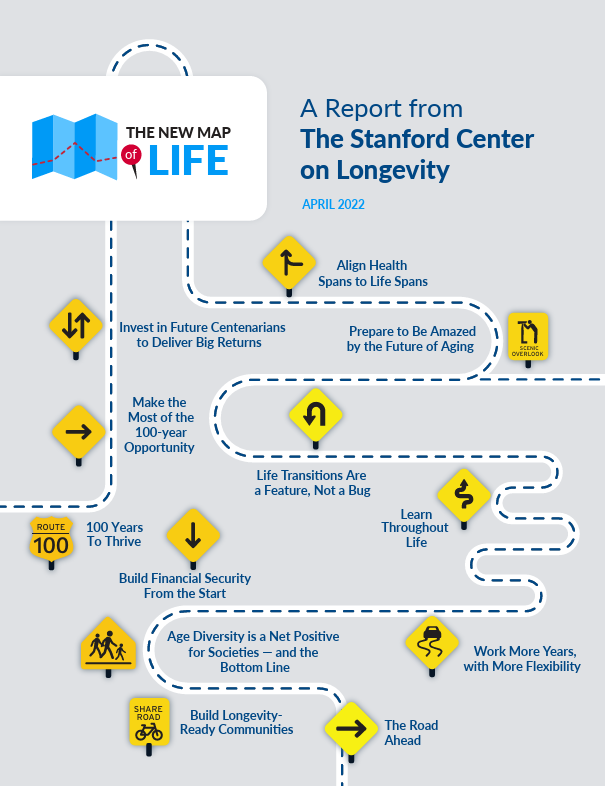
    Excellent aging resources from Stanford Map of Life

    The Stanford Center on Longevity has launched the New Map of Life initiative. Recognizing that our society hasn’t kept pace with increasing lifespans, this project aims to create a new framework for navigating a longer life. Indeed, our institutions and norms are outdated.

    The New Map of Life will focus on key areas like health, work, learning, and community. Moreover, this is especially relevant for Generation X, who are now facing the realities of longer life expectancies.

    A New Approach to Longevity

    Traditionally, the linear path of education, work, and retirement has been the norm. However, with longer lifespans, individuals may need to reinvent themselves professionally multiple times. Furthermore, they may also need to pursue education and training throughout their lives.

    The New Map of Life will explore how to support these transitions. Additionally, it will empower individuals to make informed choices about their health, finances, and overall well-being. For instance, Generation X is grappling with questions like:

    • How do we prepare for a potentially 30-year retirement?
    • How do we stay relevant in a rapidly changing job market?
    • How do we maintain our physical and mental health as we age?

    The New Map of Life aims to provide insights and resources to help navigate these complex issues. Ultimately, it encourages a proactive and adaptable approach to longevity.

  • Fighting Ageism in the Big Apple: A Step in the Right Direction?

    Fighting Ageism in the Big Apple: A Step in the Right Direction?

    NYC Aging’s mission is to eliminate ageism and empower older adults. Moreover, through a network of over 300 centers, they provide vital programs and resources to nearly 1.8 million older New Yorkers.

    New York City is fighting ageism with a significant investment. Indeed, nearly $400,000 will fund classes to combat age discrimination. NYC Aging is spearheading this initiative to educate employers and the public about the harmful effects of ageism.

    The funding will support organizations that train people on age-inclusive practices. Specifically, they’ll focus on hiring, workplace culture, and challenging age-related stereotypes. Furthermore, ageism is a pervasive issue that can harm individuals’ well-being and careers.

    Generation X likely relates to this news personally. In fact, many have faced ageism, especially in the workplace. For instance, the tech industry often favors younger talent, overlooking experienced professionals. Although experience is often touted as an asset, the reality can be different. Consequently, many have seen colleagues pushed out or passed over for promotions. This has real financial implications.

    The NYC initiative is a hopeful sign. By raising awareness and providing education, these classes can create more inclusive environments. They can value older workers for their contributions and create workplaces where people of all ages thrive.

    While the effectiveness of these classes is uncertain, the city’s investment is a positive development. It signals a recognition that ageism is a real problem. Hopefully, other cities will follow suit, creating a more age-inclusive society. For those of us in Generation X, it’s a reminder that we’re not alone and change is possible.