
Category: Healthcare

  • Why Aging in Place Specialist Certification Matters Now

    Why Aging in Place Specialist Certification Matters Now

    Decoding the Cost and Value of CAPS Certification

    As we, Generation X, navigate the complexities of midlife, the concept of “aging in place” has become increasingly relevant. Indeed, caught between caring for aging parents and planning for our own futures, understanding the nuances of home modifications is crucial. Therefore, the Certified Aging-in-Place Specialist (CAPS) emerges as a vital resource. But what does it truly cost, and more importantly, is it a worthwhile investment?

    To begin, let’s break down the numbers. The NAHB’s CAPS program, a recognized standard in the industry, offers certification to professionals who specialize in designing and modifying homes for older adults. Here’s a clear breakdown of the costs, extrapolated from the NAHB’s official course expense page: https://www.nahb.org/education-and-events/education/credentials/certified-aging-in-place-specialist-caps/how-to-earn-your-caps

    • For NAHB Members:
      • Course Fees: $1125
      • Certification Fee: $85
      • Total: $1210
    • For Non-Members:
      • Course Fees: $1425
      • Certification Fee: $170
      • Total: $1595

    While these figures may initially appear to be a significant outlay, consider them, instead, as an investment in expertise that can yield substantial returns, both financially and in terms of peace of mind.

    “So, what exactly is a CAPS?” you might ask. A fair question. In essence, a CAPS professional understands the specific needs of older adults within their living spaces. Moreover, it extends beyond simply installing a grab bar. They design for wider doorways, accessible kitchens, and lighting that minimizes the risk of falls. In other words, a CAPS professional assesses the entire picture. Subsequently, they create a comprehensive plan and connect you with the appropriate contractors.

    Undoubtedly, we have all encountered cringe-worthy DIY attempts at “aging in place.” For instance, someone installs a ramp that is excessively steep, or a handrail that is not securely fastened. Conversely, a CAPS professional ensures both safety and functionality, thereby preventing costly mistakes and potential injuries.

    Why, then, does this matter now? We are at a stage where we are contemplating our own futures while simultaneously caring for aging parents. Consequently, we are the sandwich generation, juggling careers, children, and aging parents. Therefore, managing a major home renovation is often an overwhelming prospect. Instead, a CAPS professional provides an invaluable lifeline. Furthermore, this generation is on the cusp of experiencing the largest surge of aging adults in history. Critically, this is not solely about our parents; it is also about our own future.

    Fortunately, finding a qualified CAPS professional is relatively straightforward. The National Association of Home Builders (NAHB) offers a directory of certified professionals. Additionally, networking with healthcare providers, remodelers, and senior-focused organizations can provide valuable referrals.

    Ultimately, the demand for CAPS professionals is poised to increase significantly. As we age, we aspire to maintain our independence and remain in our homes. Whether you are contemplating modifications for your parents or planning for your own future, investing in a CAPS certification or hiring a certified professional represents an investment in peace of mind.


  • Excelsior Springs, Missouri –  A Model for Age-Friendly Living

    Excelsior Springs, Missouri – A Model for Age-Friendly Living

    As Generation X considers aging in place, Excelsior Springs, Missouri, offers a compelling example of proactive community planning. The city’s efforts to create age-friendly environments deserve attention.

    Implementing the WHO Framework

    Excelsior Springs uses the World Health Organization’s (WHO) age-friendly framework. This involves assessing and improving community aspects. These include transportation, housing, social engagement, and healthcare. The city prioritizes accessibility and social inclusion. These factors are vital for quality of life as people age.

    Building Accessible Communities

    The city improves infrastructure, like sidewalks and public spaces. This fosters community and keeps older residents active. Digital resources are also integrated. This acknowledges the importance of staying connected.

    Bridging the Digital Divide

    A $5,000 grant funds a technology education program. Senior Center Director Jeff Barge partners with the Mid-Continent Public Library. Training sessions help seniors use digital tools. This reduces isolation from a lack of tech access. This program is important to generation X, as they understand the importance of online resources.

    A Collaborative Approach

    Effective age-friendly planning requires collaboration. This includes local government, community organizations, and residents. Excelsior Springs sets a standard for inclusive communities.

  • A Great Wisconsin Online Directory: A Lifeline for Aging Adults and Caregivers

    A Great Wisconsin Online Directory: A Lifeline for Aging Adults and Caregivers

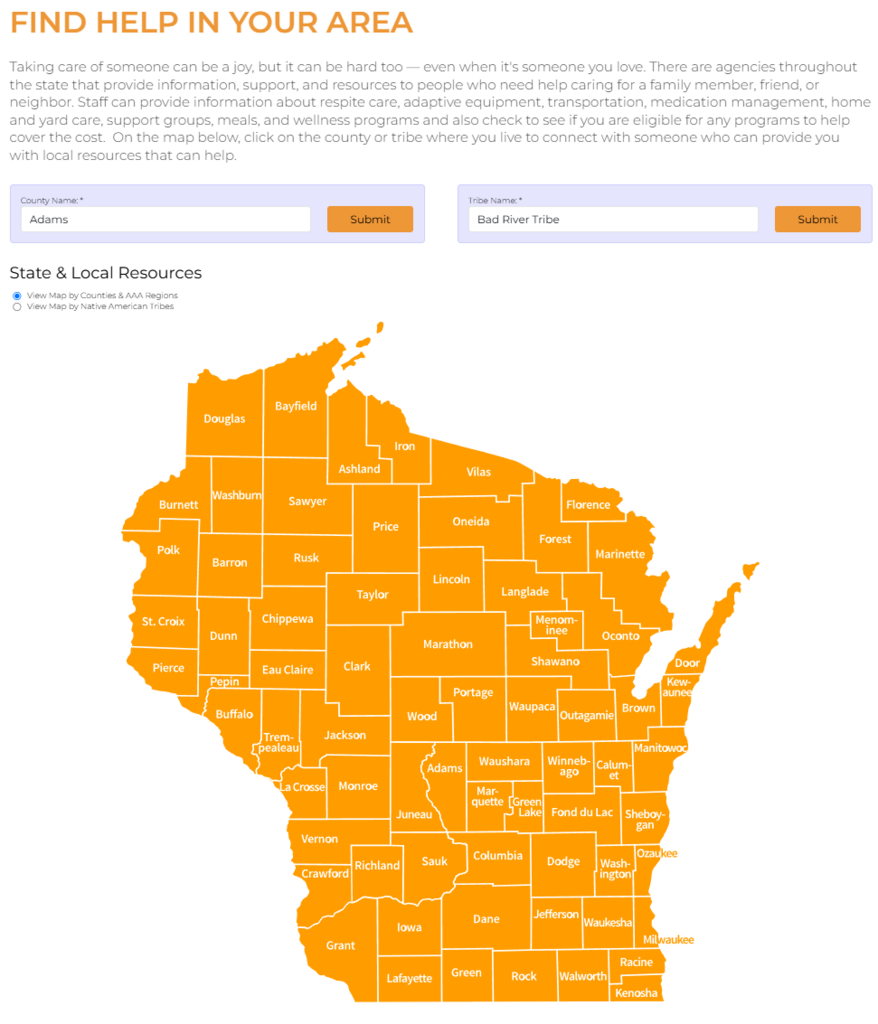
    Okay, I have to say, I’m really impressed with the online directory concept highlighted at Wisconsin Caregiver. It’s a simple idea, but it’s executed so well, and it’s something I think a lot of us in Generation X, who are juggling aging parents, could really benefit from.

    Essentially, the article points to the growing need for organized, accessible online resources for older adults and their caregivers. And what I particularly like is the focus on creating a sort of “one-stop shop” for vital information. I’ve included a screenshot of the directory from the site, take a look.

    What’s great about this is that it cuts through the clutter. We’re all bombarded with information these days, and when you’re trying to navigate something as complex as elder care, having a curated list of reliable resources is invaluable. The article mentions resources like the National Institute on Aging and the Eldercare Locator, and having them all in one place makes a huge difference.

    For those of us in Generation X, this is especially relevant. We’re at that stage where we’re not just thinking about our own futures, but also about the well-being of our parents. And let’s be honest, it can be overwhelming. Having a directory like this simplifies the process and gives us a starting point.

    I also appreciate the emphasis on digital literacy. It’s easy to assume that everyone is comfortable with technology, but that’s not always the case. By promoting digital literacy, these resources are ensuring that everyone can access the information they need.

    This isn’t just about finding information; it’s about building a community. It’s about connecting people with the support they need to navigate the challenges of aging. And that’s something we can all get behind.

  • Tacoma City Council Seeks Senior Input: A Win for All Ages?

    Tacoma City Council Seeks Senior Input: A Win for All Ages?

    Tacoma’s City Council wants more senior citizens involved. They aim to place at least one person over 65 on each committee, board, and commission (CBC). Tacoma City Council Aims to Boost Senior Involvement in City Committees and Boards This follows talks with older residents. They wanted more input in city affairs. Council Member John Hines led the push. He noted Tacoma’s aging population. Seniors offer unique views, especially on mobility and connectivity.

    Currently, over half of Tacoma’s CBCs lack senior members. The council wants to fix this. They want to use the wisdom of older residents. They want them involved in civic decisions. Council members stressed the value of senior leadership. They recognize their expertise.

    How Does This Affect Generation X?

    This plan helps seniors, but it also matters to Generation X. Many are in the “sandwich generation.” They balance kids and aging parents. Generation X… “The Forgotten Generation” A city that listens to seniors likely helps all ages. Moreover, senior issues today, like healthcare and housing, will affect Generation X soon. Senior voices can lead to better policies.

    Tacoma’s move could inspire other cities. It shows the value of senior contributions. It builds a more inclusive government.

  • RFK Jr.’s Transparency Policy: Reforming Health Agencies?

    RFK Jr.’s Transparency Policy: Reforming Health Agencies?

    Robert F. Kennedy Jr.’s presidential campaign has unveiled a “Transparency and Open Science Policy” aimed at shaking up the status quo in federal health agencies. The policy’s core tenet is demanding full transparency from the NIH, CDC, and FDA, requiring the release of internal studies, data, and communications related to public health decisions. This extends to reforming Medicaid by granting states more flexibility and advocating for alternative treatments, like nutritional interventions, alongside conventional medicine. Furthermore, Kennedy proposes establishing independent review boards to scrutinize agency actions and regulatory decisions, suggesting a move toward deregulation and decentralized healthcare. While emphasizing data integrity and potentially expanding environmental health research, the policy also aligns with Kennedy’s controversial stance on vaccine safety, challenging established scientific consensus and highlighting potential conflicts of interest within regulatory bodies, making it a potentially disruptive force in the landscape of public health policy.

    This policy announcement details RFK Jr.’s commitment to transparency and independent review in federal health agencies, particularly regarding data and decision-making related to public health, though it reinforces his controversial views on vaccine safety.

    https://www.cbsnews.com/news/rfk-jr-transparency-policy-medicaid-nih

  • Funding Bill Snubs Doctors, Healthcare Concerns for the Aging

    Funding Bill Snubs Doctors, Healthcare Concerns for the Aging

    Funding Bill Skips Doctor Pay Fix: What It Means for Gen X

    A recent funding bill in the House of Representatives has sparked controversy. It fails to address cuts to doctors’ pay in Medicare. This omission has angered physician groups. They warn of potential harm to healthcare providers and patients.

    The Core Issue: Medicare Cuts

    The funding patch does not reverse a 2.8% cut to the Medicare conversion factor. This cut took effect on January 1st. The American Medical Association (AMA) is critical of this decision. They argue that this cut, combined with past reductions, will strain physician practices. This is especially true in rural areas. The AMA reports that Medicare payments to physician practices have fallen 33% since 2001. This is when adjusted for inflation.

    The Broader Implications

    The AMA emphasizes that these cuts follow years of payment reductions. Many practices are already struggling. Further cuts could force closures. This would reduce access for 66 million Medicare patients. The American College of Radiology and over 100 other organizations had urged officials to act. They stressed that patients cannot wait.

    The Road Ahead: What’s Next?

    Speaker Johnson aims to pass the bill as soon as Tuesday. This puts pressure on the Senate to support the plan. The AMA and other physician groups are urging lawmakers to reconsider. They want a solution to prevent further cuts. They want to ensure Medicare patients have access to quality healthcare.

    References

  • Analysis: New Push for Health Care Price Transparency Faces Hurdles

    Analysis: New Push for Health Care Price Transparency Faces Hurdles

    Trump 2.0 Health Care Price Transparency: Will It Work?

    A recent article by James C. Capretta, published by AEIdeas, examines the potential impact of President Trump’s new executive order on health care price transparency. Capretta argues the renewed focus on transparency could benefit patients, but significant challenges remain.

    The article highlights two key components of the order: stricter enforcement of existing disclosure requirements and a push for standardized pricing for common medical procedures. Capretta contends these measures could expose pricing inequities within the health care industry, where costs for the same services can vary dramatically.

    However, the analysis points out that simply providing price information isn’t enough. Capretta argues the initiative will only succeed if consumers are incentivized to shop for lower-priced options. He proposes allowing patients to keep a portion of the savings when they choose providers charging less than their insurers’ negotiated rates.

    The piece also suggests exploring similar incentives within Medicare and Medicaid, allowing beneficiaries to share in cost savings when selecting cost-effective providers.

    Capretta accurately summarizes the current state of price transparency efforts, acknowledging both past progress and ongoing limitations. The strength of the article lies in its focus on consumer participation as a critical missing piece. Without it, the author persuasively argues, the potential benefits of price transparency will remain unrealized.

    While the article presents a clear and concise overview of the issue, it could benefit from more concrete examples of how proposed incentives might work in practice. Additionally, a more thorough exploration of the potential obstacles to implementation, such as resistance from insurers and providers, would strengthen the analysis.

    Overall, Capretta’s article provides a valuable contribution to the ongoing discussion about health care affordability. It effectively highlights the importance of empowering consumers with meaningful price information and the right incentives to make informed decisions.

  • Funds Available for Aging Services

    Funds Available for Aging Services

    The Older Americans Act provides funding for services aimed at supporting older adults, and these funds are now available in several Oklahoma counties.

    According to a recent article in Kay NewsCow, the Long Term Care Authority of Enid Area Agency on Aging is managing the distribution of these funds through a Request for Proposal (RFP) process. This means that legally formed public, private, or not-for-profit organizations can apply to receive funding for programs that benefit older adults in Oklahoma.

    What kind of services are we talking about?

    The funds cover a broad range of essential services, including:

    • Home repair: Helping seniors maintain their homes and independence.
    • Legal assistance and community education: Providing access to vital legal services and information.
    • Transportation: Ensuring seniors can get to appointments, errands, and social activities.
    • Outreach: Connecting with older adults who may need assistance.
    • Congregate and home-delivered meals: Addressing nutritional needs and combating social isolation.
    • Nutrition counseling and education: Promoting healthy eating habits.
    • Health promotion and disease prevention: Supporting overall well-being.
    • Caregiver support: Recognizing and assisting those who care for aging loved ones.

    Why should GenX care?

    Many of us are either already caregivers for our parents or anticipating that role. These funds can directly impact the availability and quality of services our parents rely on. Furthermore, understanding these resources now can help us plan for our own futures.

    How to learn more:

    Organizations interested in applying for these funds should contact Valerie Snethen, AAA Director, for service specifications and a proposal guide. The deadline for applications is March 28th. A mandatory proposers’ conference will be held on March 14th; RSVP by March 10th. Check the Kay NewsCow article for contact information.

    This isn’t just about “old people.” It’s about ensuring a robust support system for our families and ourselves as we navigate the realities of aging.

  • The Realities of Aging: Insights From the Aging Advisory Group

    The Realities of Aging: Insights From the Aging Advisory Group

    Aging presents complex challenges for many Americans, particularly regarding housing and health care, according to a recent report. The National Alliance to End Homelessness highlighted findings from the Aging Advisory Group, revealing critical issues facing older adults. These insights are relevant to Generation X, which is navigating its own aging process.

    The report emphasizes housing instability, health care access and economic security as primary concerns. A significant number of older adults face homelessness due to limited affordable housing and insufficient income. Many live on fixed incomes, making them vulnerable to economic fluctuations and unexpected medical expenses.

    Health care access is another major issue. As people age, their health care needs increase, but affordable, quality care can be difficult to obtain. The report stresses the need to address these disparities to ensure older adults maintain their well-being.

    Generation X is particularly affected by these challenges. Many are caring for aging parents while planning their own retirement. Uncertainties surrounding Social Security, health care costs and long-term care are pressing concerns. Economic downturns throughout their lives have also created unique challenges for this generation.

    Many also find themselves supporting adult children, creating a “sandwich generation” effect that adds financial strain.

    Addressing these issues requires a multi-faceted approach. Policy changes are needed to increase affordable housing, expand health care access and strengthen social safety nets. A broader societal conversation about the value of aging and the importance of supporting older adults is also necessary.

    Understanding these challenges is crucial to ensuring a dignified and secure future for all older Americans.

  • Vermont’s Health Care Reform in Limbo: What’s the Future of the AHEAD Model?

    Vermont’s Health Care Reform in Limbo: What’s the Future of the AHEAD Model?

    Recent events have clouded Vermont’s planned health care reforms, potentially altering the health care landscape.

    In July 2024, the federal government selected Vermont for the All-Payer Health Equity Approaches and Development (AHEAD) Model. This initiative promised to transform Vermont’s health care payment and delivery systems. AHEAD aimed to increase Medicare funding, invest in primary care, and reduce costs while improving Vermonters’ health.

    Now, AHEAD’s future is uncertain. Federal officials have paused communications with Vermont, and reports indicate staffing changes at involved federal agencies.

    What does this mean for Vermont? State officials admit AHEAD’s future is unclear. They continue to work as if the program will proceed, but its implementation is not guaranteed.

    Vermont lawmakers are proactive. They are exploring alternative strategies to tackle the state’s health care challenges. For example, a new bill proposes significant changes to how Vermonters pay for health care, including reference-based pricing.

    The AHEAD Model’s fate remains undecided. However, Vermont remains committed to building a more affordable, accessible, and equitable health care system. The situation is evolving. We will provide updates as Vermont navigates this uncertain period.